
From the layout of your building to the WMS that runs it.
From the layout of your building to the control of every conveyor, sensor and label printer: one team, one system, one responsible party.
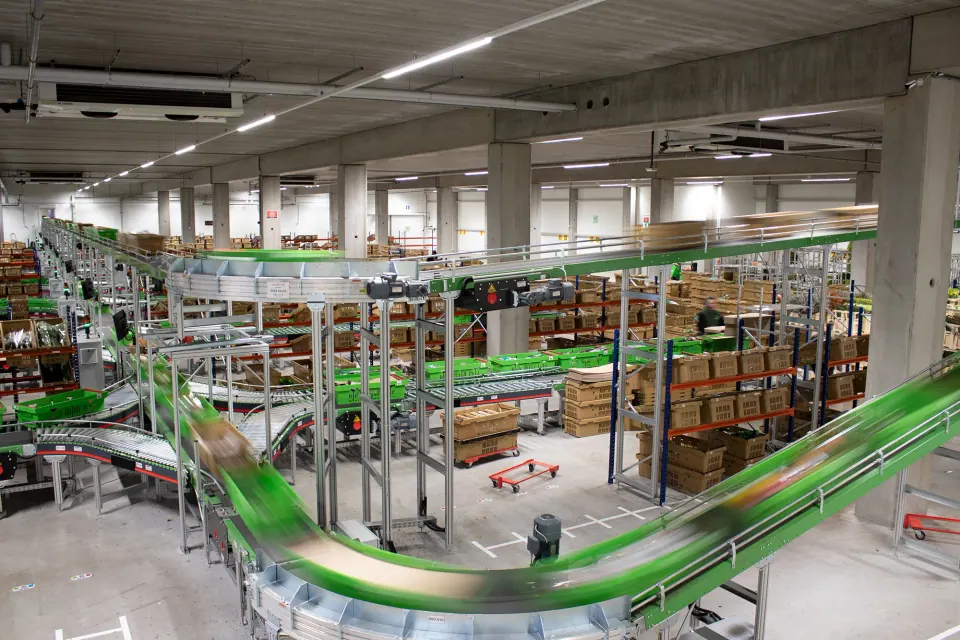
Sorting line at W.K. Heyl Jr., controlled by Core
Everything on your floor talks to one system.
Core has a built-in local devices manager. Hardware connects natively, with no outside integrator in between.

Conveyors & sorters
Real-time control of your sorting line: lanes, pushers and scanners respond directly to your order flow.

Industrial robots & cobots
From pick-and-place to fully autonomous cells. Native DOBOT blocks, TCP communication with gripper and camera.
Sensors & live cameras
Temperature, weight, presence, vision: measurements and camera feeds arrive live in your flows.
^XA ^FO50,50 ^ADN,36,20 ^XZ
ZPL label printers
Shipping and product labels roll out of the printer at the right station, at the right moment.
→ €
Automated purchasing
Stock below its minimum? Core reorders on its own, based on lead times, consumption and season.
24/7
Automated order processing
Orders from your web shop, EDI or the auction flow through to pick, pack and dispatch without manual work.
Design first, then build.
Automating a warehouse does not start with software. It starts with the question of how your building should work. We design the operation: walking routes, stations, buffer capacity, where hardware pays off and where it does not. Then we build the system that runs it.
Analysis
We walk the floor with you and work through the numbers on your goods flow.
Design
Layout, stations and hardware choices, simulated before anything is ordered.
Build & go-live
WMS, devices and integrations, live station by station.
Continuous development
Your operation changes; the system changes with it.
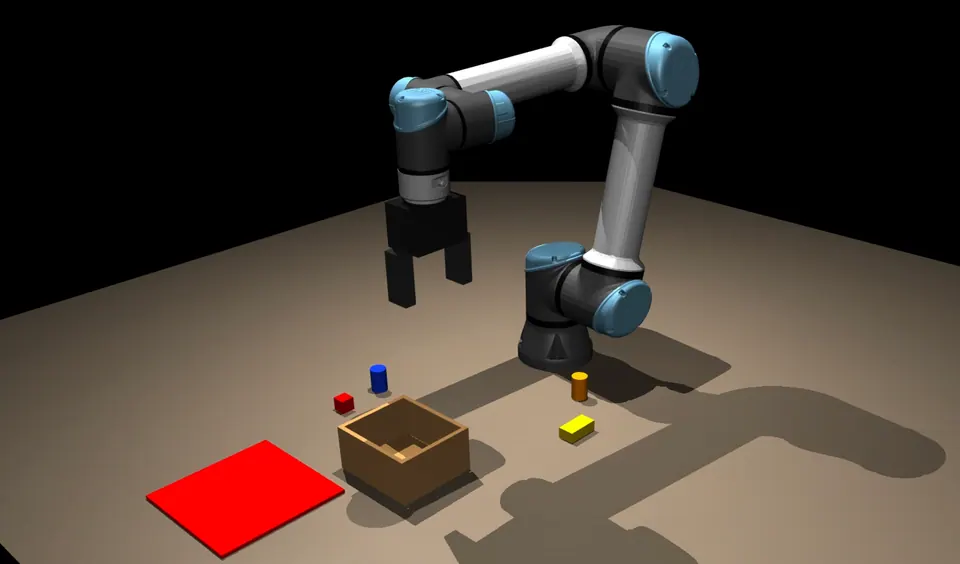
Simulated before anything gets built
And when it leaves your building, it keeps moving in the same system.
Logistics does not stop at the dock door. The same environment that runs your warehouse plans your trips, loads your vehicles and keeps your drivers on track.
-
Trip planning
Trips are planned on order volume, delivery times and available vehicles. If an order changes, the planning shifts with it.
-
Loading in the right order
What has to come out first goes in last. Scanning at the dock keeps anything from ending up in the wrong vehicle.
-
Routes & live tracking
Routes based on driving times and delivery windows, vehicles live on the map. Customers are notified automatically when the driver is close.
-
Driver app
Trip list, delivery order, signature or photo on delivery, returns logged on the spot. All on the phone, live back into the system.
-
Fleet management
Mileage, maintenance, inspections and utilisation per vehicle. You see which vehicles earn their keep and which are due for replacement.
Going deeper
Three parts of your warehouse, each on its own page.
Warehouse management
Receiving, put-away, picking strategies and stock accuracy, down to the location.
See the WMS
Conveyors & sorters
Real-time control of lanes, sorters and ZPL label printers, including Van Riet integration.
See conveyors
Administration & invoicing
From order to invoice, connected to your accounting and payment flows.
See administration
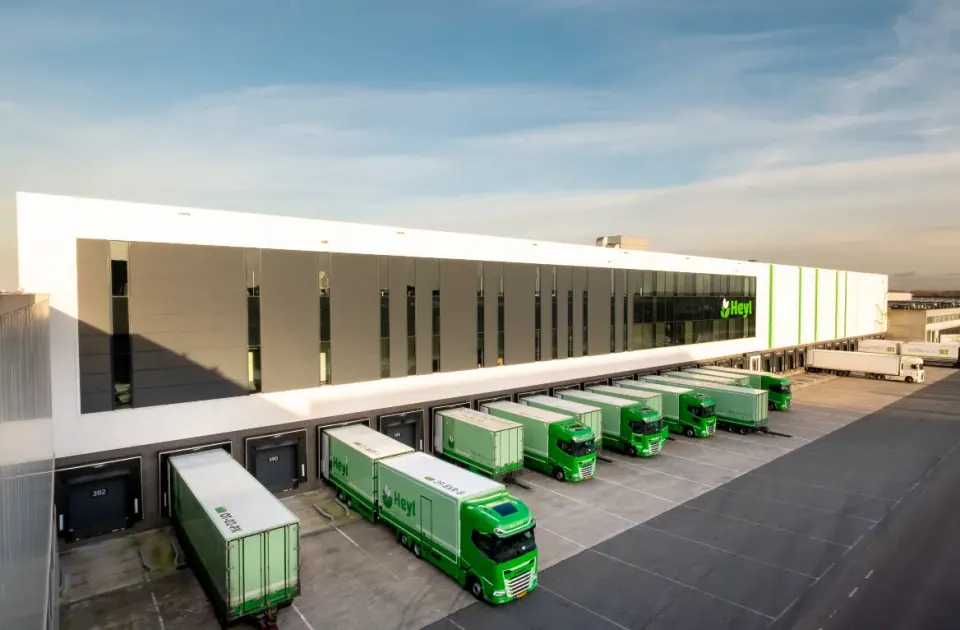
Customer case · logistics
W.K. Heyl Jr.
Fresh flowers delivered to German florists within 12 hours, three times a week, from a 26,600 m² warehouse. Order processing, stock and the sorting line all run on Core.
26,600 m²
warehouse
12 hours
from order to florist
3×
a week across Germany
The questions we get most about warehouse automation
Do you design the warehouse itself as well?
Yes. Automating starts with the question of how your building should work: walking routes, stations, buffer capacity, where hardware pays off and where it does not. We simulate that design before anything is ordered, then build the system that runs it.
Does it work with the equipment we already have?
Core has a built-in local devices manager: conveyors, sorters, sensors and ZPL label printers connect natively, with no outside integrator in between. Existing Van Riet installations respond to your order flow in real time too.
How long does a project like that take?
A first working version is usually there in 6 to 12 weeks, and from there it goes live station by station. How many processes and integrations it carries decides where in that range you land.
What does it deliver?
At W.K. Heyl Jr.: 80% fewer picking errors, from order to ready-to-ship within minutes, and fresh flowers at German florists within 12 hours, three times a week from a 26,600 m² warehouse.
Is your warehouse running into its limits?
We are happy to spend a day on your floor. After that you will know exactly where the gains are.